Moon Corona Class Progression Guide
Unlock paths, advanced specializations, and when to commit to each class tree.
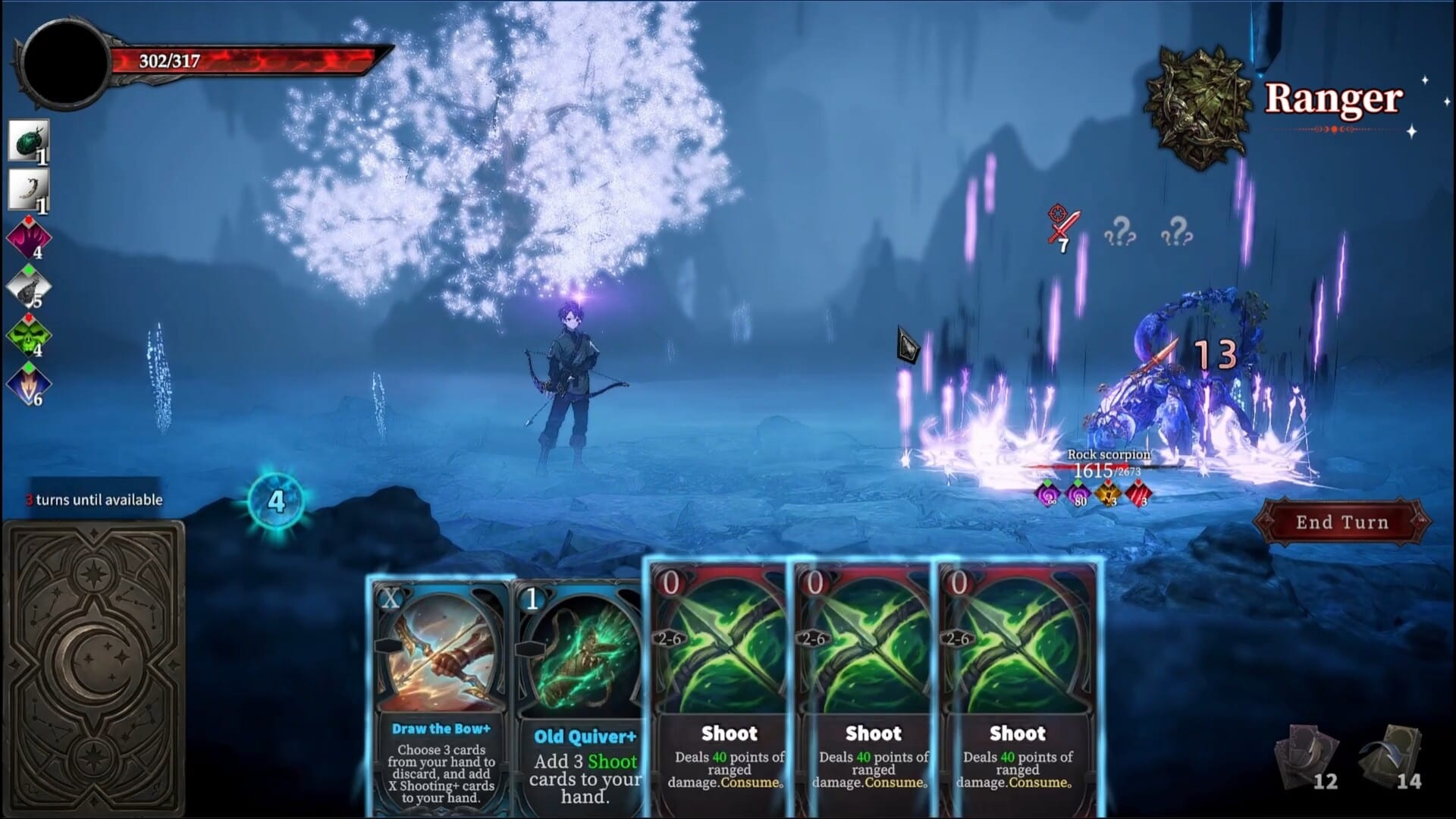
Moon Corona’s class system is one of its deepest progression layers. You start with one of five base classes, then branch into over 40 advanced specializations as you collect cards, complete story milestones, and meet faction requirements. This guide explains how progression works, what each branch offers, and when to commit to an advanced class.
How class progression works
Class progression in Moon Corona is not a simple level-up system. You unlock advanced classes by meeting specific requirements that vary by specialization.
Story milestones unlock the first tier of advanced classes. Completing major quests in the Duchy of Reinhart opens new class paths tied to the factions you support.
Card collection determines which advanced cards you can use. Some specializations require owning specific class-exclusive cards before the class becomes available.
Whisper collection adds narrative context and occasionally gates advanced classes behind lore discoveries. Whispers are scattered across castles, wilderness, villages, and dungeons.
Stat thresholds matter for physical classes. The Barbarian path requires minimum strength investment, while the Elemental Master path requires elemental mastery stats.
You cannot switch base classes mid-playthrough. Your Warrior, Mage, Thief, Cleric, or Ranger choice is permanent for that save file. Advanced classes branch within your chosen tree.
Warrior progression tree
The Warrior base class splits into three major advanced paths during Early Access.
Barbarian is the most aggressive Warrior specialization. It trades defense for raw damage output and part-breaking speed. Barbarian cards increase damage as health decreases, rewarding berserker playstyles. Unlock requirements typically include completing early combat tutorials and reaching a strength threshold. Barbarian is the recommended first advanced class for new players because its cards are straightforward and synergize with the part-breaking system.
Guardian is the defensive Warrior path. It emphasizes shields, ally protection, and crowd control through taunt mechanics. Guardians excel in prolonged fights and boss encounters where survivability matters more than burst damage. Unlock requirements often involve completing defensive tutorial encounters without taking critical damage.
Blade Dancer combines Warrior durability with Thief-like speed. It offers rapid melee combos and repositioning abilities that reward precise movement. This path suits players who want melee power without sacrificing mobility.
Mage progression tree
Mages branch into elemental specialists, debuff casters, and utility-focused paths.
Elemental Master is the flagship Mage specialization. It chains fire, ice, and lightning effects for devastating combo sequences. Fire followed by ice creates steam that blinds enemies. Lightning through water deals amplified damage. Elemental Master requires collecting elemental whisper fragments and demonstrating proficiency with at least two elemental card types.
Shadow Mage focuses on debuffs, stealth magic, and finishing blows. Shadow Mage cards apply darkness effects that weaken enemies before a high-burst finisher. This path rewards patient play and pairs well with the Thief’s flanking mechanics if you pick up universal movement cards.
Arcane Scholar is the utility Mage path. It emphasizes card draw, mana recovery, and battlefield control without relying on raw damage. Arcane Scholars support hybrid builds that mix Mage utility with another class’s offense through universal combo cards.
Thief progression tree
Thieves progress into stealth damage dealers, control specialists, and hybrid fighters.
Assassin is the stealth damage path. Assassin cards grant bonus damage from stealth states and backstab positioning. The Assassin becomes significantly more forgiving than the base Thief because stealth states reduce incoming damage. Unlock requirements include completing flanking tutorial encounters and collecting shadow whisper fragments.
Trickster is the control path. Trickster cards manipulate enemy movement, apply confusion effects, and create openings for allies. This path suits players who prefer tactical disruption over raw damage.
Nightblade is the hybrid melee-ranged path. Nightblade cards combine close-range strikes with thrown weapons, letting you adapt to different enemy types without fully committing to either range.
Cleric progression tree
Clerics branch into offensive holy casters, enhanced healers, and debuff specialists.
Inquisitor is the offensive Cleric path. Inquisitor cards deal holy damage while applying debuffs that weaken enemy defenses. This path lets Clerics hold their own in solo content without relying on healing cards for every encounter.
Archon is the enhanced support path. Archon cards provide powerful party buffs, area healing, and protective barriers. Archons excel in sustained battles and boss fights where recovery matters.
Shadow Priest combines divine magic with darkness debuffs. Shadow Priest cards apply curses that drain enemy resources while maintaining Cleric survivability. This path offers a darker narrative flavor tied to faction choices in the Reinhart shadow war.
Ranger progression tree
Rangers progress into trap specialists, precision shooters, and battlefield controllers.
Demolition Maniac is the explosive trap path featured prominently in Moon Corona marketing. Demolition Maniac cards deploy area explosives, control chokepoints, and punish grouped enemies. This path requires collecting trap whisper fragments and demonstrating trap deployment in tutorial encounters.
Sharpshooter is the single-target precision path. Sharpshooter cards increase critical hit rates and deal bonus damage to specific enemy parts. This path synergizes with the part-breaking system and rewards careful target selection.
Beast Tamer is the summon specialist path. Beast Tamer cards deploy companion creatures that fight alongside you, adding another layer to tactical positioning. Summons can block enemy movement and absorb hits while you reposition.
When to commit to an advanced class
Timing your advanced class commitment matters. Switching focus too early locks you out of cards from other branches within your base class tree.
Early game (hours 1–4): Stay on your base class. Collect universal combo cards and learn combat fundamentals. Do not rush into an advanced class before understanding positioning and part-breaking.
Mid game (hours 4–10): Commit to your first advanced class based on the cards you have collected and the playstyle that feels strongest. Most players unlock their first advanced class around the first major faction choice in the story.
Late game (hours 10+): Consider secondary specializations within your tree if the game allows respec or multi-path investment. Some advanced classes share card pools, making hybrid builds viable.
Cross-class universal cards
Universal combo cards let you borrow mechanics from other class trees without changing your base class. A Warrior with a universal Fireball gains ranged capability. A Mage with a universal Dodge Roll gains defensive movement.
Universal cards are found in exploration zones, not class-specific quest lines. Collecting universal cards before committing to an advanced class gives you more flexibility in your final build.
Progression mistakes to avoid
New players often make these class progression errors.
Committing to an advanced class before collecting enough base-class cards. Ignoring whisper collection, which gates late-game specializations. Spreading stat points across too many attributes instead of focusing on your chosen path’s requirements. Choosing an advanced class based on tier list rankings instead of collected card synergies.
For base class comparisons, see the Base Classes Tier List. For advanced class rankings, visit the Advanced Classes Tier List. For deck building after you choose a path, read the Deck Building Guide. For the full class overview, see Classes Guide.
Frequently Asked Questions
Quick answers to the most common questions about Moon Corona.
Can I unlock multiple advanced classes?
You can unlock multiple advanced classes within your base class tree, but some specializations may require exclusive story choices that lock out others. Check faction requirements before committing.
What is the fastest class to unlock?
Barbarian from the Warrior tree is typically the fastest advanced class to unlock because its requirements focus on combat tutorials rather than extensive whisper collection.
Do advanced classes change the story?
Advanced class choice does not change the main story arc, but some side quests and NPC dialogue reference your specialization. Faction-aligned classes may unlock exclusive quest lines.
Can I respec my advanced class?
Respec options depend on in-game items and settings. Stat-reset items exist but have limited uses. Plan your path before investing heavily in one specialization.